 Reviews
 4.9
(920)
4.9
(920)
 Proudly American
Location:

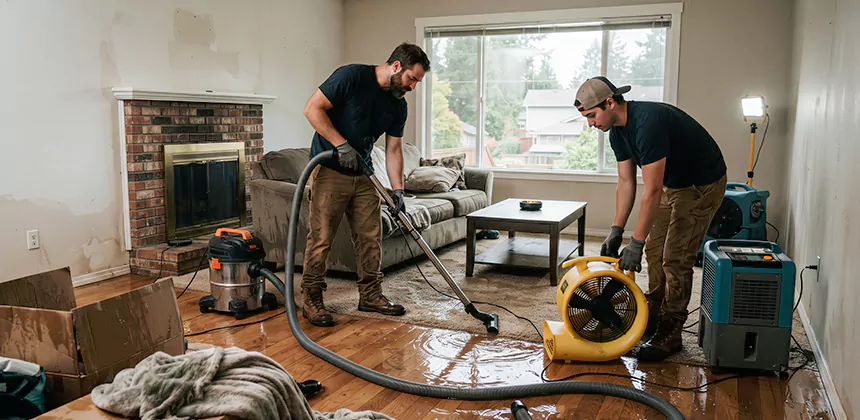
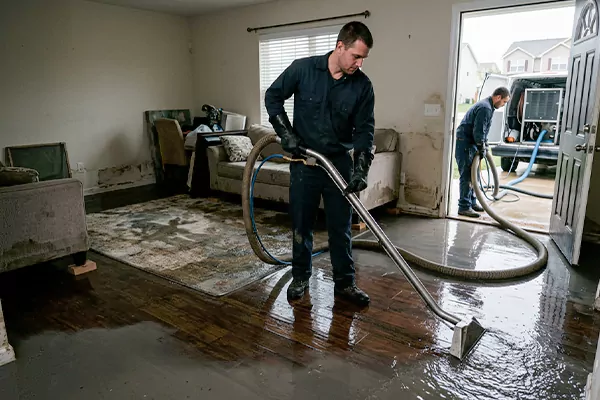
With one call to Lehi Restoration Pro, you get emergency water extraction in Lehi and nearby Traverse Mountain, Thanksgiving Point, and Ivory Ridge within the hour. We pump the standing water out with truck-mounted units, so it stops soaking into your floors and walls.
Our emergency water extraction in Lehi puts truck-mounted pumps on site within the hour.

24/7
Emergency Extraction

100%
satisfaction guarantee

17+
Years of experience

60min
Within an hour arrival
Our truck-mounted extractors pull water faster than any pump you can rent, and that speed decides how much dries out versus how much gets thrown away. Seventeen years and more than 800 jobs put Lehi Restoration Pro among the crews Lehi property owners call first. A BBB A+ rating and hundreds of five-star reviews back the work. Every technician passes a hands-on pump operation exam before working on a customer site. A truck-mounted emergency water vacuum on our vans moves thousands of gallons an hour, far past what a shop vac reaches.
What to expect:
Call Now
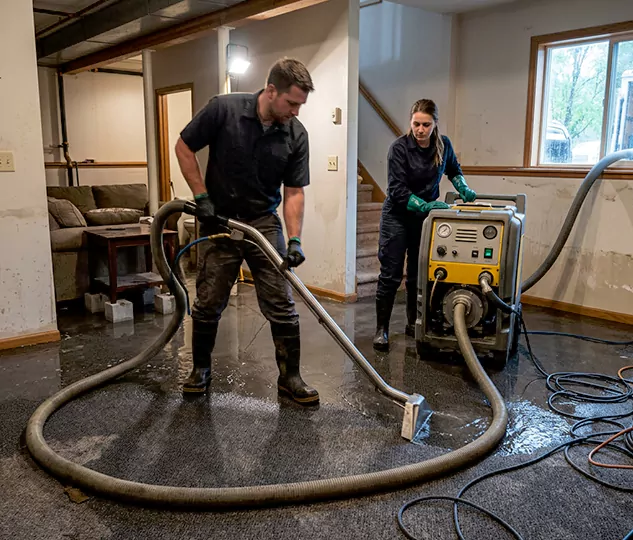
Get reliable water damage restoration in Lehi, UT. From emergency water removal and structural drying to cleanup and repairs, our skilled team works quickly to reduce property damage and restore your space to a safe, clean, and comfortable condition.
The right pump moves the water out before it wicks into the subfloor. Our crew sizes the equipment to the depth of the water and the surface holding it. We explain the plan before any gear comes off the truck.

800
+Satisfied Customers

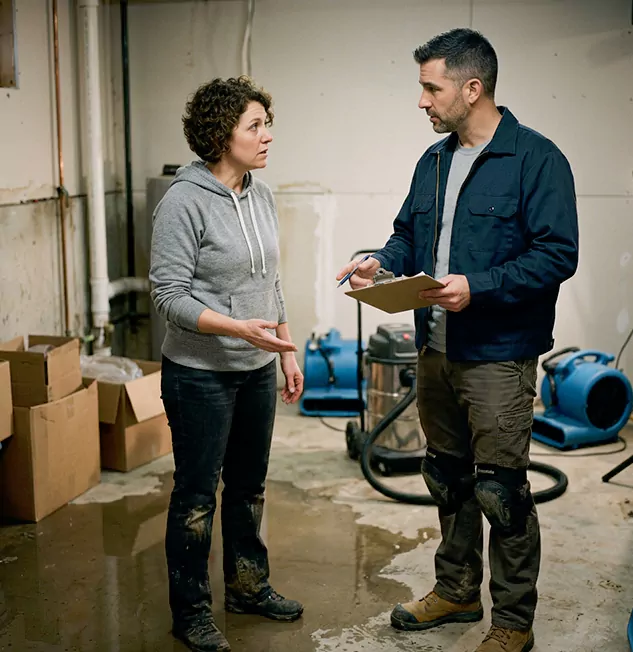
Watching a water pool and searching for emergency water extraction near me in Lehi? Anyone looking up a water extraction company near me here reaches a live crew, not a machine. Call (385) 376-4950 for immediate help.
Connect With Your Local Lehi Emergency Water Extraction Team
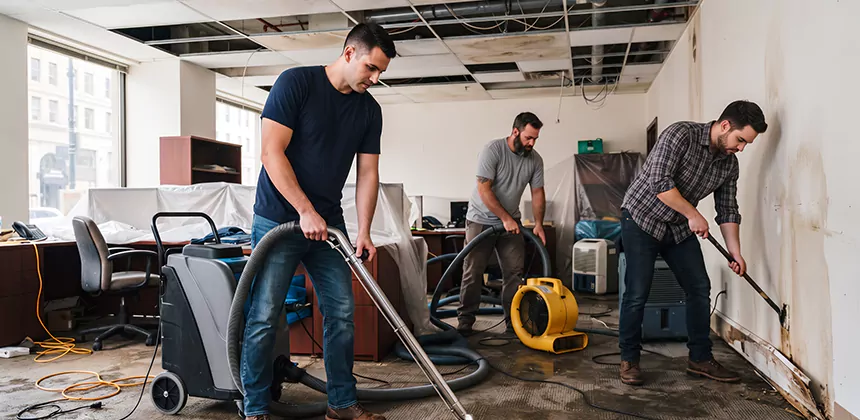
Extraction is the step that decides how much of your property dries out and how much gets hauled away. Lehi Restoration Pro handles emergency water extraction services for homes and businesses in Lehi, sized to the coast in front of us. A quick pump-out of one room and a whole-house flood call for different equipment, and we bring both. Our comprehensive water mitigation process then ensures that every trace of moisture is addressed before secondary damage sets in. Each section below covers a different kind of extraction job we handle across the city.
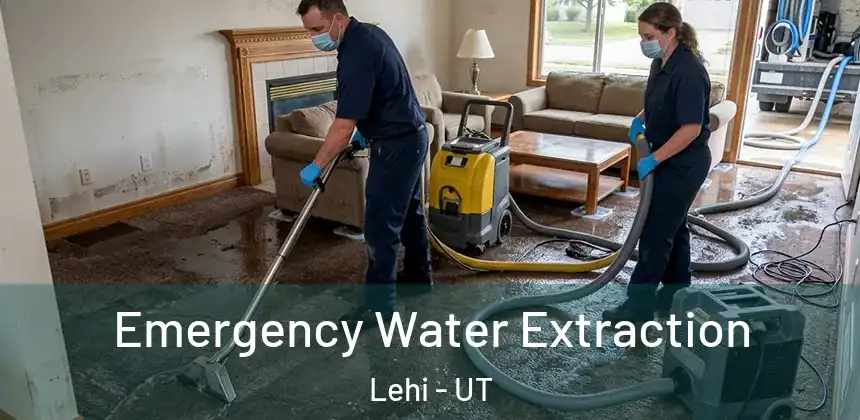
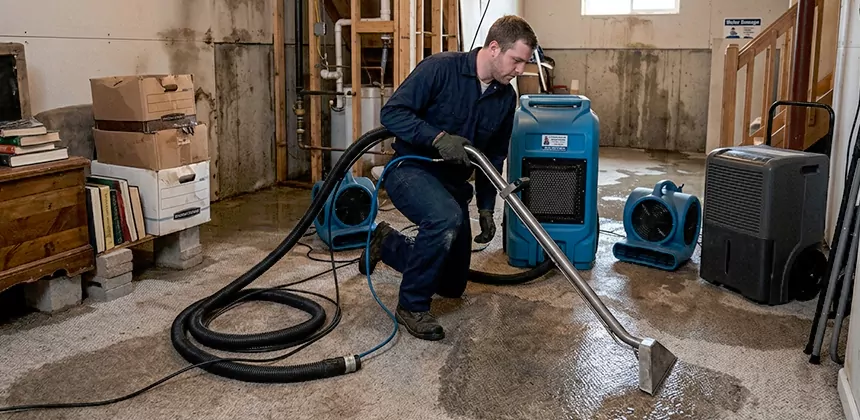
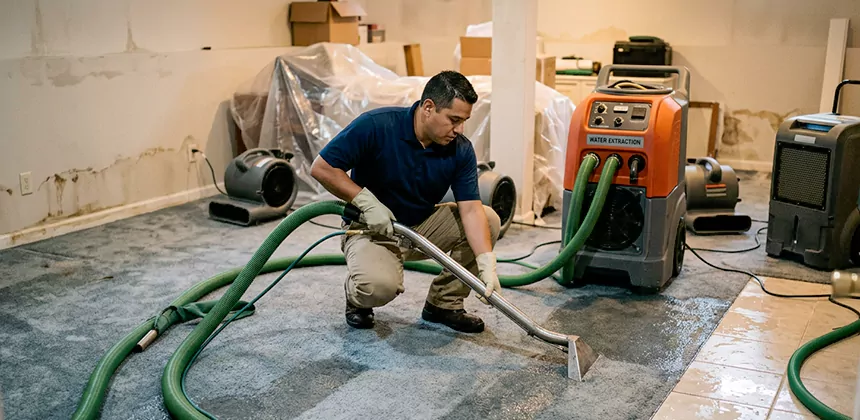
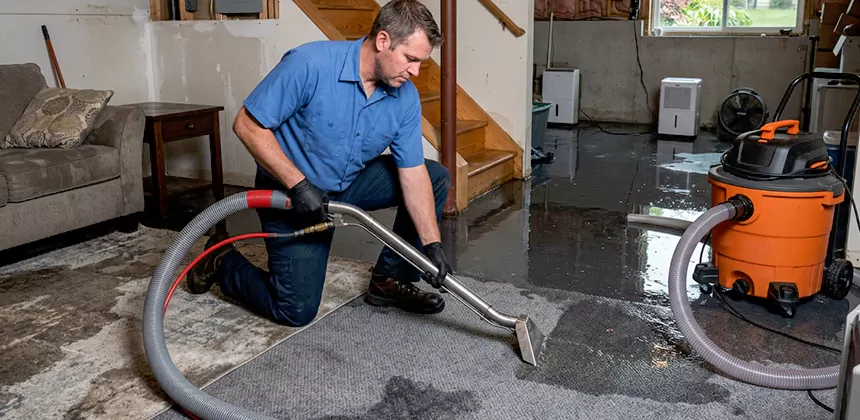
The carpet acts like a sponge, holding water long after the surface feels dry. Lehi Restoration Pro presses water out of the fibers with weighted extraction tools in Lehi. Our fire and water restoration services for flooded carpets include lifting the pad underneath, which almost always needs to be removed and replaced. We take a moisture reading of the subfloor before anything goes back down. A carpet reached within the first day often survives, while one left soaking usually does not.
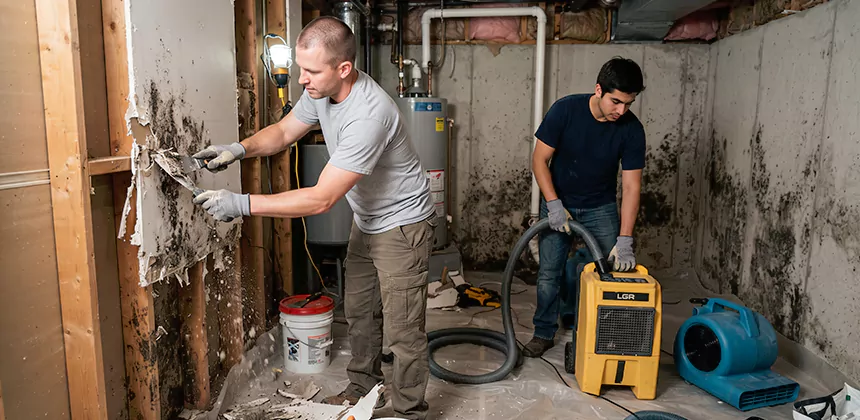
The basement fills first and drains last, holding water against concrete and framing below grade. Lehi Restoration Pro clears flooded basements in Lehi after storms and sump pump failures. Crews drop submersible pumps onto the slab and clear the deep water gravity pulls down. We pull the residual moisture from block walls that surface pumping leaves behind. Draining the basement fast protects the foundation from the pressure standing water puts on it. Following extraction, our mold remediation services prevent fungal growth from taking hold in dark, damp basement corners.
Water floods at every hour, and the overnight breaks do the most damage before anyone wakes. We answer any hour and roll a truck the moment you call in Lehi. Our vans stay stocked with pumps and extraction gear, so no time is lost waiting on equipment. Overnight response keeps a midnight break from flooding the house by dawn.
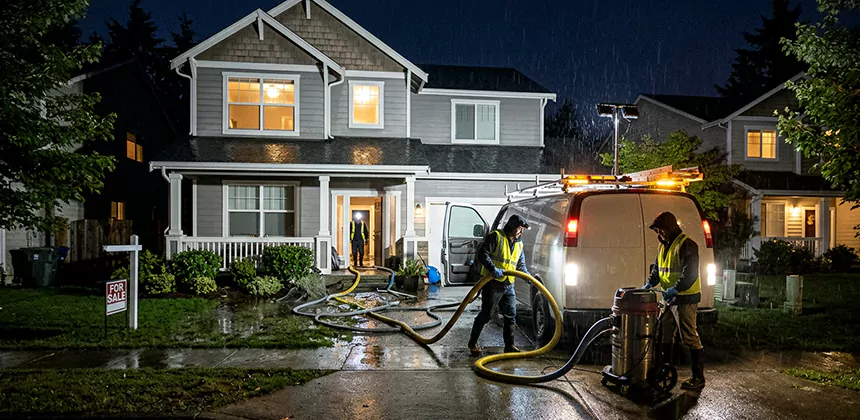
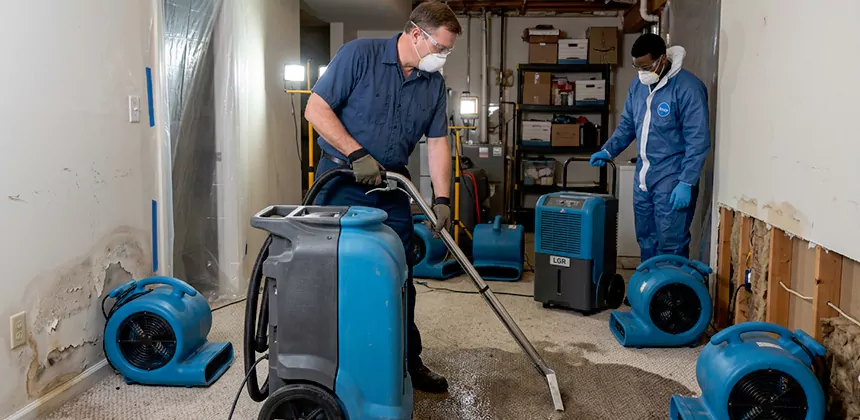
The method matches the water and the surface. We choose the water extraction methods by the depth of the water and the material holding it. Deep standing water calls for submersible pumps that move thousands of gallons an hour, while carpet and tight rooms call for portable extractors and weighted wands. Our water extraction procedures follow the IICRC standard, so the sequence and the equipment match the category of water we find. Contaminated water changes the steps, since the porous material it soaked cannot be saved and comes out for disposal.
Call Us 24/7
Email Us
Lehi ( LEE-hy) is a city in Utah County, Utah, United States. The population was 75,907 at the 2020 census, up from 47,407 in 2010, and it is the center of population of Utah. The rapid growth in Lehi is due, in part, to the rapid development of the tech industry region known as Silicon Slopes.

Extraction pricing depends on how much water there is and where it sits. A single carpeted room pumps out cheaper than a flooded basement or a contaminated loss. The ranges below cover the extraction phase, separate from the drying and rebuild that follow.
| Service | Typical Cost Range |
|---|---|
| Emergency dispatch and assessment | $150 to $500 |
| Standing water extraction | $300 to $1,500 |
| Carpet extraction and pad removal | $200 to $600 |
| Basement pump-out | $400 to $900 |
| Truck-mounted extraction, large loss | $500 to $2,000 |
| Structural drying after extraction | $3 to $7.50 per sq ft |
Extraction is the first line item your adjuster expects to see after a sudden loss. Lehi Restoration Pro documents the job from the first visit with dated photos and the water level before we pump. We record the volume removed and the source we found. We bill your insurance carrier directly, so you skip the large out-of-pocket balance up front. Our crews log what carriers require while the work happens, not from memory afterward. You focus on your family, and we manage the claim file.
Get Help With Your ClaimWe start emergency drying the same day you call.
We file your claim directly with your carrier.
Moisture readings, photos, and details your adjuster needs.
You approve the scope and your out-of-pocket cost stays clear.
At Lehi Restoration Pro, We provide specialized restoration services in Lehi, UT, including water damage, fire damage, and mold remediation. Fast, reliable, and certified. Explore our core services below:
You call (385) 376-4950 and reach a dispatcher any hour of the day. We take your details and send a crew to your Lehi property right away.
Crews reach most addresses within the hour and cut power to any area where water sits near outlets. We check the structure before placing any equipment.
Submersible and truck-mounted units clear the deep water first. Moving the bulk fast is what limits soaking into framing and subfloor.
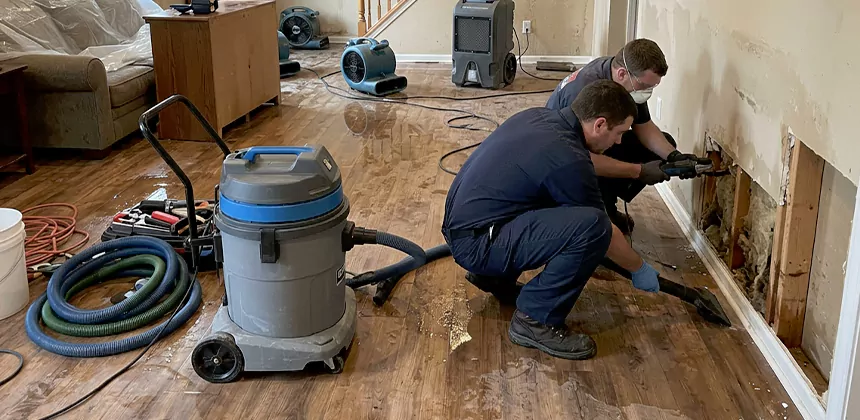
Weighted wands and portable extractors press the residual water up out of carpet and hard floors. We lift and bag any pad the water ruined.
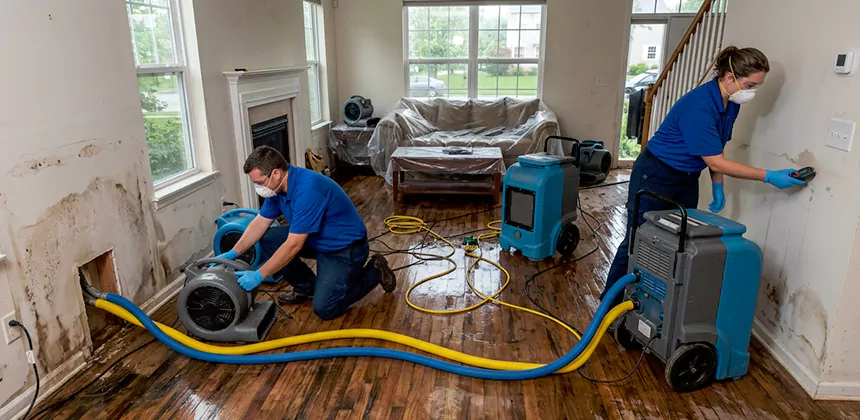
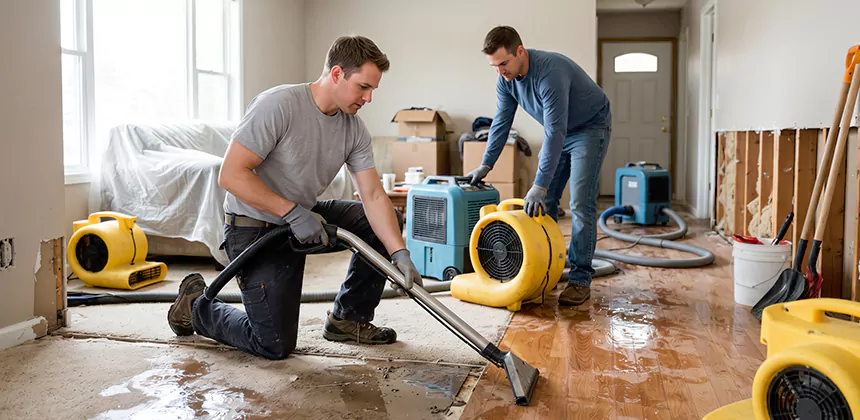
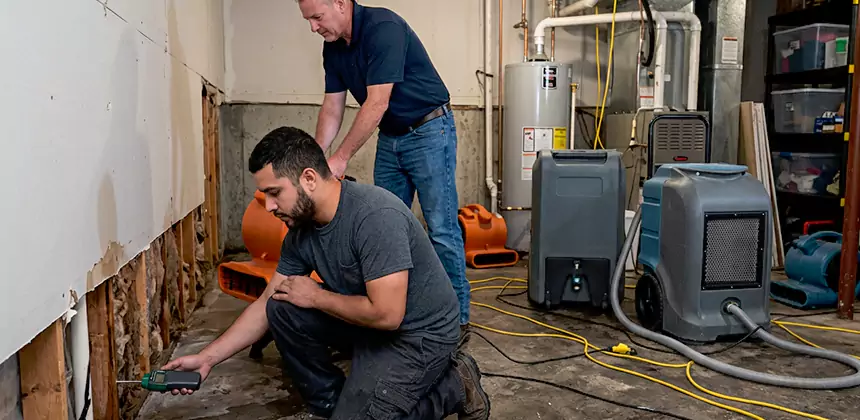
We take readings to find the water left inside the materials. Air movers and dehumidifiers go in to pull the residual moisture out.
We confirm the standing water is gone and the drying plan is set. You receive the extraction log and documentation for your claim.
Water extraction is the mechanical removal of standing and absorbed water from a property using pumps and vacuums. It clears the bulk water before drying begins, since fans and dehumidifiers cannot pull that volume out on their own. Extraction is the step that limits how far the water soaks into the structure.
No. Extraction removes the standing and surface water, while drying pulls the residual moisture out of the walls and framing afterward. You need both, and extraction always comes first so the drying equipment has less to do.
Often, yes. Weighted extraction tools press the water up through the carpet, and we usually save the carpet while replacing the pad beneath it. Carpet reached fast tends to survive, while carpet left soaking delaminates and needs replacing.
As soon as possible, ideally within hours. Water keeps wicking into materials until it is removed, and mold can start within 24 to 48 hours. The sooner the bulk water is out, the smaller the drying job and the repair.
In most cases, yes for a sudden loss like a burst pipe or an appliance failure. Storm flooding often needs separate flood coverage. We document the extraction and bill your carrier directly for covered work.
We run truck-mounted extractors for the bulk volume and submersible pumps for deep standing water. Carpet and tight rooms get portable extractors and weighted wands. The gear matches the depth of the water and the surface it sits on.
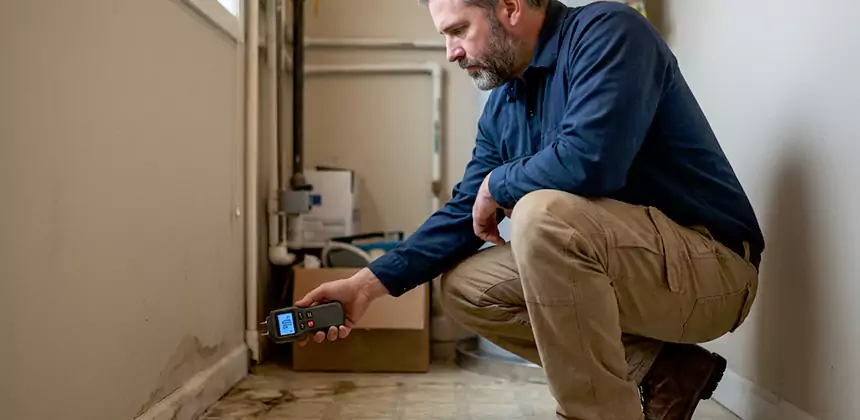
Emergency water extraction is the fast mechanical removal of standing water from a building after a flood or a leak. It is the first step in recovery, done before any drying or repair, because the bulk water has to come out before the structure can dry. Crews use pumps and vacuums to pull the water, then moisture meters to find what soaked into the materials. The faster the water leaves, the less it wicks into the drywall and subfloor.
4.9/5  920 user rating